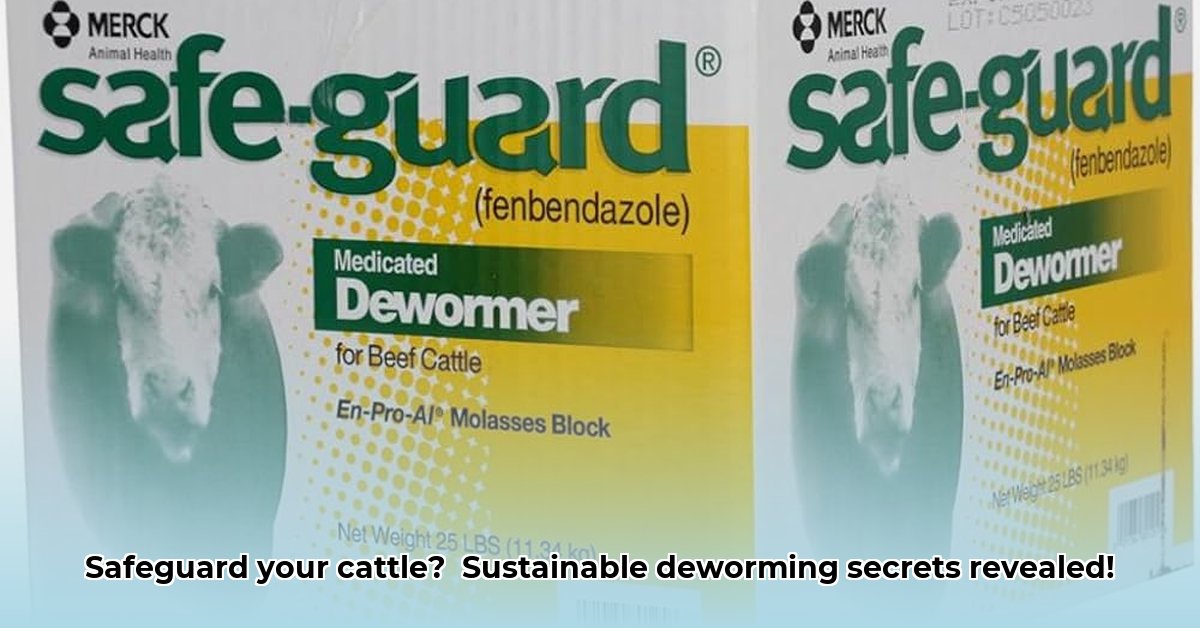
Keeping your cattle healthy requires diligent parasite management. Safe-Guard, available at Tractor Supply, is a common choice, but responsible use is paramount. This guide details effective and sustainable Safe-Guard application, emphasizing long-term herd and environmental health. For convenient application, consider a drench gun.
Understanding Safe-Guard (Fenbendazole)
Safe-Guard, containing fenbendazole, effectively targets common cattle internal parasites like lungworms, stomach worms, and hookworms. Its broad-spectrum action makes it a valuable tool. However, overuse can lead to parasite resistance, diminishing its effectiveness over time. This highlights the importance of responsible use and integrated pest management (IPM) strategies. How can we maximize its benefits while minimizing future issues?
Administering Safe-Guard Pellets: A Step-by-Step Guide
Accurate dosage is crucial. Incorrect amounts reduce efficacy and increase resistance. Always follow label instructions meticulously.
Step 1: Accurate Weight Measurement. Weigh each cow precisely using a reliable scale. Weight variations significantly impact dosage calculations.
Step 2: Precise Dosage Calculation. The Safe-Guard label provides detailed instructions for dosage based on weight. Double-check your calculations. If uncertain, consult your veterinarian.
Step 3: Pellet Preparation (if necessary). Some formulations require mixing or specific preparation. Adhere strictly to the package instructions for even distribution and consistent dosage.
Step 4: Safe Pellet Administration. Typically, pellets are mixed into feed. Ensure each cow consumes the correct amount. Adapt your method based on your cattle’s temperament, prioritizing safety.
Step 5: Post-Treatment Monitoring. Observe your cattle for unusual behavior or symptoms (lethargy, appetite changes, digestive issues) post-treatment. Contact your veterinarian immediately if concerns arise.
Storage and Responsible Disposal: Environmental Stewardship
Proper storage and disposal are vital for environmental protection and safety.
Safe Storage: Store Safe-Guard in a cool, dry location, away from children and animals. Maintain the integrity of the packaging.
Responsible Disposal: Never discard unused Safe-Guard in landfills or waterways. Consult local regulations and/or your local hazardous waste management facility for proper disposal methods. Your veterinarian or local agricultural extension office can provide guidance. Why is responsible disposal so critical?
Integrated Pest Management (IPM) and Alternative Strategies
Minimizing dewormer reliance through IPM is crucial for sustainable parasite control.
Rotational Grazing: Moving cattle to fresh pastures prevents parasite build-up.
Pasture Management: Healthy pastures support healthy cattle, reducing parasite susceptibility. Maintain your pastures effectively.
Alternative Deworming Methods: Herbal remedies and other natural approaches may offer some benefits. Always consult your veterinarian before incorporating alternatives. A balanced, holistic approach minimizes reliance on chemical dewormers and reduces the risk of resistance. What other strategies can enhance your IPM program?
Monitoring Cattle Health: A Continuous Process
Regularly monitor your cattle for any signs of illness. Contact your vet promptly for any concerns. Early detection is paramount for effective treatment and overall herd health. Early intervention can significantly impact herd health and productivity. What signs should you look out for?
Key Takeaways: Sustainable Deworming Practices
- Safe-Guard effectively controls various internal parasites.
- Accurate dosage is crucial for efficacy and prevents resistance.
- Responsible disposal protects the environment and your safety.
- IPM is crucial for long-term success and sustainable cattle management.
- Continuous monitoring and veterinary consultation are vital for maintaining herd health.